


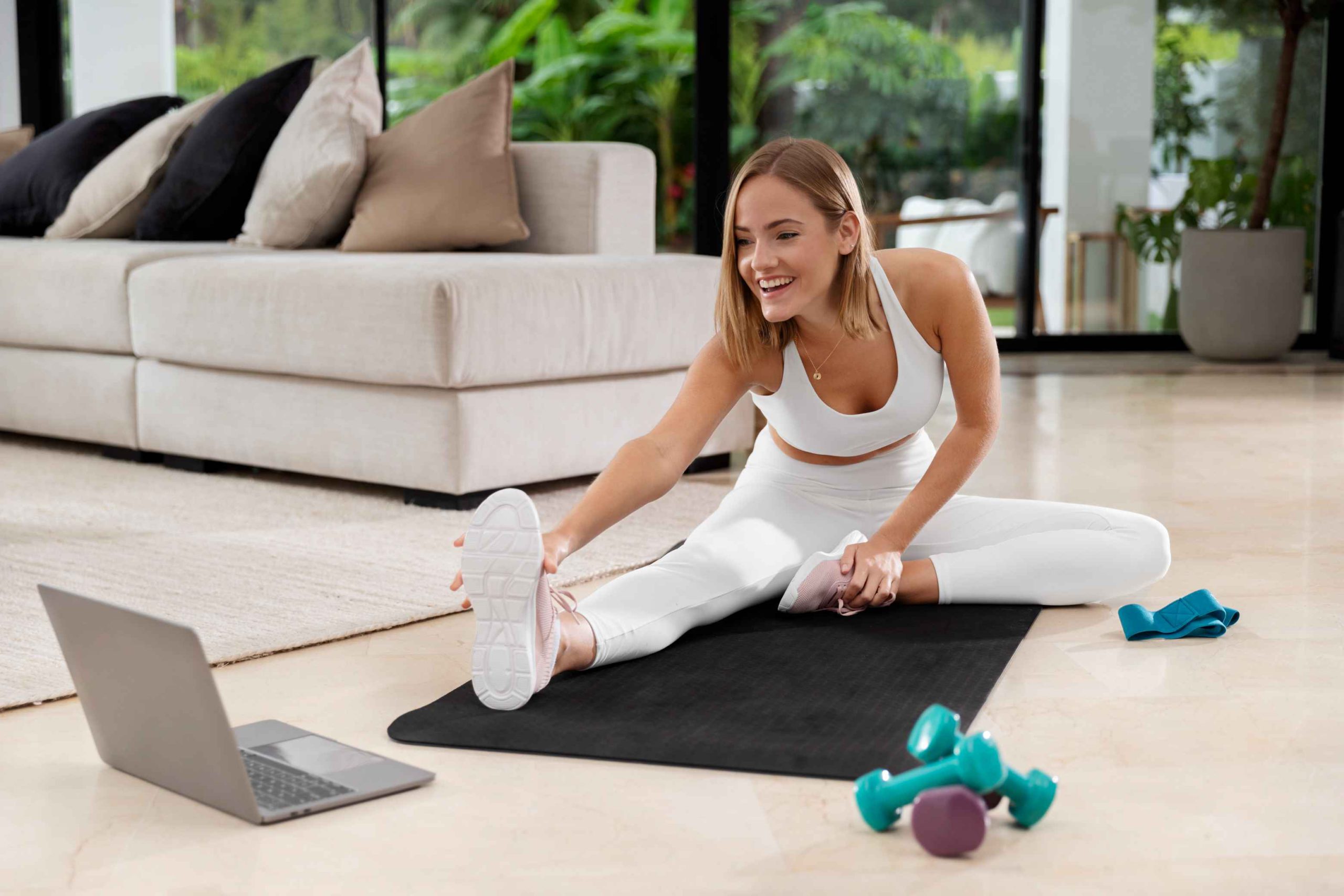




Best Strength Training at Home: Build Real Strength Without Equipment 2026
New to strength training? Discover beginner-friendly exercises, real benefits, and an easy weekly plan you can follow at home or in the gym. When most people hear about building strength, they imagine heavy weights, loud gyms, and extreme routines. But in real life, getting stronger is much simpler and far more useful than that. It’s about teaching your body how to move better, feel stronger, and handle everyday tasks with ease.
At its core, this type of training helps your muscles work against resistance. That resistance can come from dumbbells, resistance bands, your own body weight, or even gravity. You don’t need fancy equipment or years of experience to start. You just need consistency and the right mindset.
I like to explain it this way: when your muscles are challenged, they adapt. Over time, your body becomes more efficient, more balanced, and more capable. Whether you’re lifting groceries, climbing stairs, or playing with your kids, you feel the difference in daily life.
Many people think this style of exercise is only for athletes or gym lovers. That’s not true. From teenagers to seniors, almost everyone can benefit in some way. The goal isn’t perfection. The goal is progress that fits your life.
Strength Training: Why It’s Important for You at Any Age
As we get older, our bodies naturally lose muscle. This process starts earlier than most people realize, often in our 30s. Without regular movement that challenges the muscles, daily tasks slowly become harder.
This is why staying strong matters. Strong muscles support your joints, protect your bones, and help prevent injuries. Even simple movements like standing up from a chair or carrying laundry become easier when your body is trained properly.
For younger people, building strength improves posture, coordination, and confidence. For adults, it helps maintain energy and manage stress. For older adults, it supports independence and balance, reducing the risk of falls.
What I really like about this approach is how practical it is. You’re not training just to look good—you’re training to live better. Feeling capable in your body changes how you move, think, and even how you carry yourself through the day.
Strength Training: Real Benefits Backed by Experience and Science
One of the biggest reasons people start training their muscles is body composition. While the scale might not always change quickly, your body begins to look firmer and feel more powerful. Muscle tissue burns more calories at rest than fat, which supports long-term fat management.
Another major benefit is bone health. As muscles pull on bones during movement, they signal the body to keep bones strong. This is especially important for adults in the USA, where bone density issues become more common with age.
Joint health also improves when muscles around the joints are strong and balanced. This can reduce common aches in the knees, shoulders, and lower back. Many people notice better posture and less discomfort after just a few weeks of consistent training.
There’s also a mental side that often gets overlooked. Training regularly helps reduce stress, improve sleep quality, and boost mood. You feel more in control of your body, and that confidence often spills into other areas of life.
Strength Training: Strength vs Cardio — What Should You Choose?
People often ask whether lifting or cardio is better. The truth is, both have value, but they serve different purposes. Cardio supports heart health and endurance. Strength-focused workouts build muscle, protect joints, and shape the body over time.
If your goal is long-term health, relying on only one isn’t ideal. Muscle-focused exercise helps maintain strength as you age, while cardio supports circulation and stamina. Together, they create balance.
For many people, combining short cardio sessions with regular resistance-based workouts works best. You don’t need hours in the gym. Even moderate sessions, done consistently, bring noticeable results.
Strength Training: Getting Started Safely as a Beginner
Starting something new can feel intimidating. Many beginners worry about doing exercises wrong or getting hurt. The good news is that most injuries come from rushing, not from the exercises themselves.
Begin slowly. Two to three sessions per week are enough at the start. Focus on learning proper movement rather than lifting heavy weights. Rest days are just as important as workout days because that’s when your body recovers and adapts.
Listening to your body is key. Mild soreness is normal; sharp pain is not. Progress happens when you challenge yourself slightly more over time, not when you push to exhaustion.
For beginners, having a simple routine and sticking to it matters more than having the “perfect” plan. Consistency builds confidence, and confidence builds results.
Strength Training: Exercises That Build Real Strength
Good training focuses on movements, not just muscles. Pushing, pulling, squatting, hinging, and stabilizing are natural actions your body uses every day.
Exercises like squats help with sitting and standing. Push movements support daily tasks like pushing doors or lifting objects. Pull movements help with posture and back strength.
What matters most is form. Using the correct form protects your joints and ensures the muscles are doing the work. It’s better to perform fewer repetitions correctly than many with poor technique.
Full-body routines are especially useful for beginners. They train multiple muscle groups in one session and help the body develop balanced strength without overcomplicating things.
Strength Training: How to Train at Home Without Equipment
You don’t need a gym membership to get stronger. Your body weight alone can provide enough resistance when exercises are done correctly.
Simple movements like squats, push-ups against a wall or floor, lunges, and planks can be done almost anywhere. Household items like water bottles or backpacks can add light resistance when needed.
Training at home removes many barriers. There’s no commute, no pressure, and no waiting for equipment. This makes it easier to stay consistent, especially for busy adults.
The key is intention. When you move with control and focus, even simple exercises become effective.
Strength Training: A Simple Weekly Workout Plan for Beginners
A beginner-friendly plan doesn’t need to be complicated. Three days per week works well for most people.
For example:
-
Day 1: Full body movements
-
Day 2: Rest or light activity
-
Day 3: Full body movements
-
Day 4: Rest
-
Day 5: Full body movements
Each session can last 30–45 minutes. Focus on controlled movements, steady breathing, and proper rest between sets. Over time, you can increase repetitions or resistance as your strength improves.
Progress is not about rushing. It’s about showing up regularly and allowing your body time to adapt.
Strength Training: Common Mistakes and How to Avoid Them
One common mistake is doing too much too soon. More isn’t always better. Overtraining can slow progress and increase injury risk.
Another issue is ignoring recovery. Sleep, hydration, and rest days are essential. Your muscles don’t grow during workouts—they grow during recovery.
Poor form is another problem. If something feels wrong, it probably is. Adjust, slow down, or seek guidance when needed.
Patience is often the hardest part. Real results come from steady effort over time, not quick fixes.
Strength Training: FAQs Real People Actually Ask
How long does it take to see results?
Most people notice improved strength and energy within a few weeks. Visible changes usually appear after consistent effort over a couple of months.
Is it safe for older adults?
Yes, when done properly. In fact, it’s one of the best ways to maintain independence and balance with age.
Do you need heavy weights?
No. Many people build strength using body weight or light resistance, especially at the beginning.
Can women build strength without getting bulky?
Absolutely. Muscle growth depends on many factors, and most women develop a toned, strong look rather than bulk.
Strength Training: Final Thoughts from Experience
Building strength is one of the most valuable things you can do for your body. It supports your health, confidence, and independence at every stage of life.
You don’t need perfection. You don’t need expensive equipment. You just need to start where you are and stay consistent.
I truly believe that when you feel strong, life feels easier. Small steps, taken regularly, create powerful changes over time.