






Daily Exercise Routine for Beginners to Stay Fit (2026)
A daily exercise routine for beginners should focus on simple movements, low-to-moderate intensity, and consistency rather than intensity. For most beginners, 20–40 minutes of daily exercise, including cardio, strength training, and stretching, is enough to stay fit, improve energy levels, and build long-term healthy habits.
This complete guide explains exactly what beginners should do each day, how to exercise safely, and how to maintain fitness without needing a gym or expensive equipment.
What Does “Staying Fit” Mean for Beginners?
Before starting any routine, it’s important to understand what fitness actually means for beginners.
Staying fit means:
- Having enough energy for daily activities
- Maintaining a healthy body weight
- Keeping muscles and joints strong
- Supporting heart and lung health
- Reducing the risk of chronic diseases
Fitness is not about six-pack abs or extreme workouts—especially for beginners. It’s about creating a sustainable routine that supports long-term health.
Why Beginners Need a Structured Daily Exercise Routine
Many beginners fail because they either:
- Exercise randomly without structure
- Follow advanced workouts too early
- Quit after a few days due to soreness
A structured routine solves these problems.
Benefits of a daily routine:
- Builds discipline and consistency
- Prevents overtraining
- Reduces injury risk
- Improves mental focus
- Creates measurable progress
From real-world beginner experience, consistency matters far more than workout intensity.
How Much Exercise Is Enough for Beginners?
Recommended Daily Exercise Time
- Absolute beginners: 15–25 minutes
- After 2–3 weeks: 30–40 minutes
- After 1–2 months: Up to 45 minutes (optional)
More exercise is not always better. Overtraining can slow progress.
Weekly Frequency
- 5–6 active days per week
- 1 full rest day
Rest is when your body actually becomes stronger.
Core Components of a Beginner’s Daily Exercise Routine
A balanced daily routine should always include:
- Warm-up
- Cardiovascular exercise
- Strength training
- Flexibility and stretching
- Recovery and rest
Skipping any of these increases injury risk.
Step-by-Step Daily Exercise Routine for Beginners
Step 1: Warm-Up (5–7 Minutes)
Warm-ups prepare muscles, joints, and the nervous system.
Simple Warm-Up Exercises:
- Neck circles – 30 seconds
- Shoulder rolls – 30 seconds
- Arm swings – 1 minute
- Hip rotations – 1 minute
- Marching in place – 2 minutes
- Light jumping jacks – 1 minute
⚠️ Safety Warning: Never stretch cold muscles aggressively.
Step 2: Cardio Exercises (10–15 Minutes)
Cardio improves heart health and stamina.
Best Cardio Options for Beginners:
- Brisk walking
- Marching in place
- Stair climbing
- Low-impact jumping jacks
- Cycling or stationary biking
Beginner Cardio Method:
- 1-minute activity
- 30 seconds rest
- Repeat 8–10 times
💡 Tip: You should be slightly breathless but still able to talk.
Step 3: Strength Training (15–20 Minutes)
Strength training builds muscle, improves posture, and boosts metabolism.
Beginner Strength Workout (Bodyweight)
Lower Body
- Squats – 10–12 reps
- Lunges – 8 reps per leg
Upper Body
- Wall push-ups – 10 reps
- Shoulder taps – 10 reps
Core
- Glute bridges – 12 reps
- Plank (knees down) – 20–30 seconds
Perform 2–3 rounds, resting 60 seconds between rounds.
Common Beginner Mistakes:
- Rushing movements
- Poor posture
- Holding breath
- Skipping rest
Slow, controlled movements are more effective.
Weekly Beginner Exercise Schedule
| Day | Focus |
| Day 1 | Full routine |
| Day 2 | Cardio + stretching |
| Day 3 | Full routine |
| Day 4 | Light cardio + mobility |
| Day 5 | Full routine |
| Day 6 | Yoga or active recovery |
| Day 7 | Rest |
Stretching and Cool-Down (7–10 Minutes)
Stretching helps muscles recover and reduces soreness.
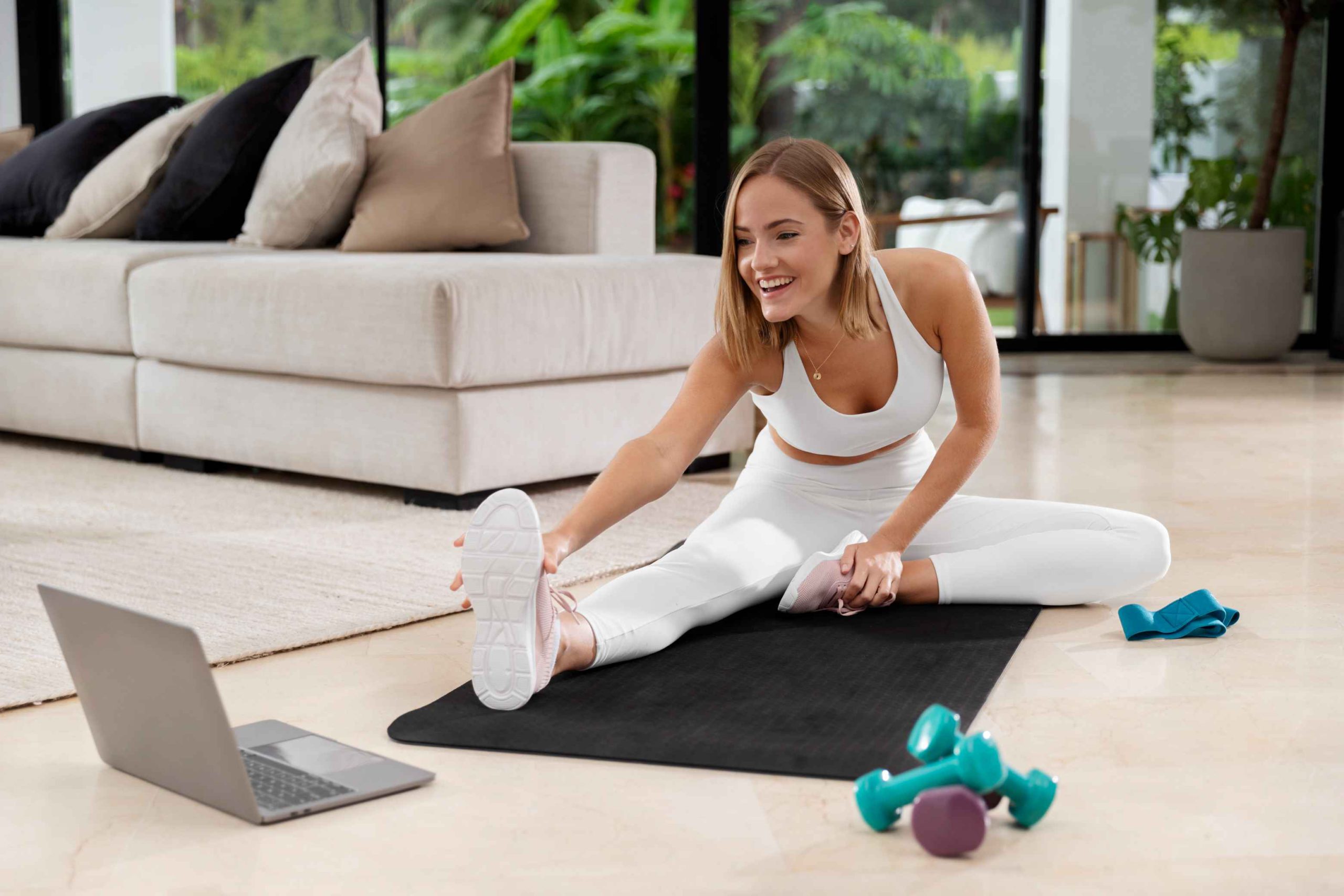
Key Stretching Exercises:
- Hamstring stretch
- Quadriceps stretch
- Calf stretch
- Chest and shoulder stretch
- Lower back stretch
End with deep breathing for 1–2 minutes.
Equipment Requirements and Cost
One of the best things about beginner fitness is affordability.
Required Equipment:
- None (bodyweight only)
Optional Equipment:
- Exercise mat
- Resistance bands
- Light dumbbells
Estimated cost range:
- $0–$40 depending on choice
No gym membership is necessary to stay fit.
Nutrition Guidance for Beginners Who Exercise Daily
Exercise and nutrition work together.
Basic Nutrition Rules:
- Eat balanced meals
- Include protein daily
- Drink water regularly
- Avoid excessive sugar
- Do not skip meals
Simple Beginner Meal Ideas:
- Eggs and vegetables
- Rice with lentils or chicken
- Fruits and nuts
- Yogurt or milk
⚠️ Avoid extreme diets or fasting while starting exercise.
Recovery, Rest, and Sleep
Recovery is often ignored by beginners.
Why Recovery Matters:
- Prevents injury
- Improves muscle growth
- Boosts energy
- Reduces fatigue
Recovery Tips:
- Sleep 7–9 hours
- Take rest days seriously
- Stretch daily
- Stay hydrated
Injury Prevention Tips for Beginners
To Stay Safe:
- Warm up properly
- Use the correct form
- Increase intensity slowly
- Stop if pain occurs
- Avoid comparing yourself to others
Warning Signs to Stop Exercising:
- Sharp pain
- Chest discomfort
- Dizziness
- Nausea
- Severe breathlessness
If symptoms persist, seek professional advice.
When to Consult a Fitness or Health Professional
You should consult a professional if:
- You have heart issues
- You experience chronic pain
- You are overweight with joint pain
- You are recovering from an injury
- You feel unsure about exercise safety
Professional guidance prevents long-term problems.
Mental Benefits of Daily Exercise for Beginners
Fitness is not only physical.
Mental Health Benefits:
- Reduces stress
- Improves mood
- Boosts confidence
- Improves sleep
- Enhances focus
Even short daily workouts can significantly improve mental well-being.
Why HealthArena Promotes Beginner-Friendly Fitness
At HealthArena.org, fitness guidance is based on:
- Preventive health principles
- Beginner safety
- Realistic routines
- Sustainable habits
Fitness should support your life, not control it.
Maintenance Tips for Long-Term Fitness
To Stay Consistent:
- Exercise at the same time daily
- Track progress weekly
- Set realistic goals
- Celebrate small wins
- Stay patient
Fitness is a lifestyle, not a short challenge.
Frequently Asked Questions
- Can beginners really exercise every day?
Yes, beginners can exercise daily with proper intensity and rest. - How long does it take to see results?
Most beginners notice improvements within 2–4 weeks. - Is walking enough exercise for beginners?
Yes, brisk walking is an excellent beginner exercise. - Do beginners need supplements?
No, beginners can meet their needs through normal food. - Is soreness normal at the start?
Mild soreness is normal, but sharp pain is not. - Should beginners do morning or evening workouts?
Any time is fine as long as consistency is maintained. - Can daily exercise prevent health problems?
Yes, regular exercise reduces the risk of many chronic diseases.
Final Call to Action
If you want clear, safe, and beginner-friendly fitness guidance, explore more expert-written health and fitness content at HealthArena.org —your trusted source for preventive health and everyday wellness.