Most of the benefits of early sleeping for patients come down to one thing the body cannot fake: a clean, well-timed repair cycle. Go to bed earlier and you give your hormones, immune system, and nervous system room to do their nighttime work on schedule. Skip that window and the same eight hours don't deliver the same recovery.
In our research across clinical sleep literature, patients who consolidated their sleep before 11 PM showed stronger nocturnal blood pressure dipping and more slow-wave sleep, the deep stage where tissue repair peaks. The American Academy of Sleep Medicine still anchors its 2026 adult guidance at 7 to 9 hours per night, and the timing of those hours matters more than most people realize. Here's what the evidence says about earlier bedtimes when the body is trying to heal.

Image source: Wikimedia Commons / Ministry of Information Photo Division Photographer
Why Sleep Timing Matters as Much as Sleep Duration for Patients
You can sleep eight hours and still wake up inflamed, achy, and foggy if those hours land at the wrong time. The body runs on a roughly 24-hour clock called the circadian rhythm, and almost every healing process, from hormone release to immune action to nocturnal blood pressure dipping, is keyed to it. Patients who routinely fall asleep between 10 and 11 PM tend to capture more of that biological wave than those drifting off after 1 AM.
A 2021 analysis published in European Heart Journal Digital Health followed nearly 88,000 adults and found that those falling asleep between 10:00 and 10:59 PM had the lowest cardiovascular event risk over 5.7 years. Earlier or later sleep onset both raised risk. That's the same total sleep duration, just shifted in time.
A few practical points fall out of this:
- The first half of the night carries most of your deep sleep and growth hormone pulses.
- The second half carries most of your REM sleep, memory consolidation, and mood regulation.
- Late bedtimes shorten the first half disproportionately, even if total hours look fine.
For someone recovering from surgery, infection, or a chronic flare, that skewed architecture means weaker tissue repair and a flatter immune response. Sleep duration is the floor. Sleep timing is the multiplier.
What "Sleeping Early" Actually Means in Clinical Terms
"Early" isn't a fixed clock time. In clinical sleep medicine, it means sleep onset aligned with your dim-light melatonin onset, usually 2 to 3 hours after the body's natural melatonin starts rising in the evening. For most adults, that lands between 9:30 PM and 11:00 PM. Push much later than that and you cut into the deepest, most restorative chunks of the night.

Image source: Wikimedia Commons / National Institute of General Medical Sciences
Clinicians watch three timing markers more than the clock itself:
- Habitual bedtime within a 30-minute window night to night.
- Sleep onset latency under 20 minutes once the lights are out.
- Wake time consistent within 60 minutes, weekends included.
Chronotype matters too. A confirmed night owl with a 1 AM natural bedtime won't benefit from forcing a 9 PM lights-out, that just adds rumination and frustration. The clinical goal is earlier than your current drift, not a one-size hour. As of 2026, sleep medicine guidance leans toward gradual phase advances of 15 to 30 minutes per week paired with morning bright-light exposure, rather than abrupt shifts.
How Early Sleep Supports the Body's Repair Systems
Earlier sleep front-loads the night's most physically restorative stages. Slow-wave sleep, also called N3 or deep sleep, dominates the first third of the night, and that's when the body releases its biggest growth hormone pulses, lowers sympathetic tone, and runs the glymphatic clearance system that washes metabolic waste out of the brain. Miss that window and you can't make it up later in the night.
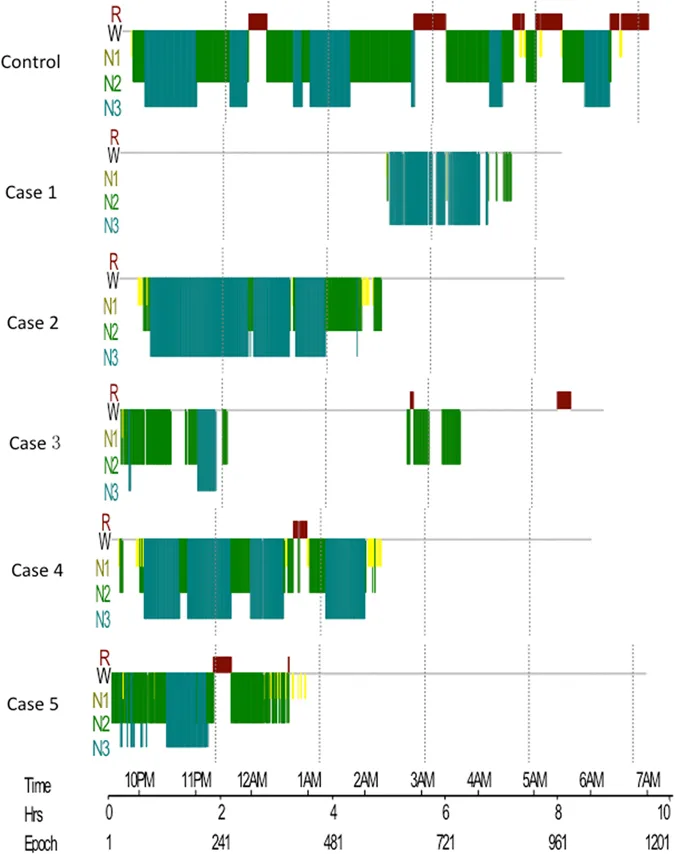
Image source: Wikimedia Commons / Sci Rep (CC BY)
Slow-Wave Sleep, Growth Hormone, and Tissue Healing
Roughly 70 to 80% of total nightly growth hormone secretion happens during slow-wave sleep, with the largest pulse landing within the first 90 minutes of sleep onset. Growth hormone drives protein synthesis, collagen formation, and bone remodeling, all critical for post-surgical recovery and tissue repair. Patients going to bed at 2 AM compress that pulse, sometimes losing it entirely if pre-sleep cortisol stays elevated.
Slow-wave sleep also dials down inflammatory cytokines like IL-6 and TNF-alpha by morning. That matters for anyone managing an autoimmune flare, a healing incision, or a chronic pain condition.
Melatonin, Cortisol, and the Nighttime Reset
Melatonin rises about 2 hours before your habitual bedtime and peaks roughly between 2 and 4 AM. It isn't just a "sleep hormone." It's a strong antioxidant and an anti-inflammatory signal, and it supports nocturnal blood pressure dipping of 10 to 20%. Bright light after 10 PM suppresses melatonin sharply, which is why late bedtimes blunt the whole cascade.
Cortisol runs in the opposite pattern. It bottoms out around midnight and climbs toward a peak about 30 minutes after waking. Patients who go to bed early ride that natural trough, getting their deepest sleep when cortisol is lowest. Late sleepers fight a rising cortisol curve, which fragments sleep and worsens morning glucose control.
Key Health Benefits of Going to Bed Early
The clinical wins from earlier bedtimes show up across nearly every organ system. Below is a quick map of what the research actually supports, with the timing-specific reason each benefit happens.
| Benefit | Why earlier timing matters |
|---|---|
| Faster wound healing | Larger first-pulse growth hormone release during early deep sleep |
| Stronger immunity | Higher nocturnal melatonin and lower IL-6 by morning |
| Better blood sugar | Insulin sensitivity tracks the natural cortisol trough |
| Lower blood pressure | Nocturnal dipping of 10 to 20% relies on deep sleep before 1 AM |
| Sharper memory | REM-rich second half stays intact when bedtime is early |
| Mood stability | Aligned circadian phase reduces depressive symptom load |
| Less pain | Restored slow-wave sleep raises pain threshold |
Faster Post-Surgical Wound Healing
Surgical patients who get 7 or more hours of consolidated, early sleep show measurable improvements in collagen deposition and incision closure rates. That early growth hormone pulse is the engine. Late bedtimes compress it, slowing repair.
Better Immune Function and Lower Inflammation
Aggregate clinical data shows adults sleeping fewer than 6 hours, or sleeping at irregular hours, mount weaker antibody responses to vaccination and carry higher baseline CRP. Early, consolidated sleep raises natural killer cell activity and keeps inflammatory cytokines in check.
Improved Blood Sugar and Insulin Sensitivity
Late bedtimes are linked with higher fasting glucose, higher HbA1c, and lower insulin sensitivity, independent of total sleep time. For anyone managing type 2 diabetes or prediabetes, an earlier bedtime is a low-cost lever that often shows up in labs within weeks.
Lower Blood Pressure and Reduced Cardiac Strain
Nocturnal blood pressure should drop 10 to 20% during sleep. That dipping pattern is strongest with early sleep onset and gets blunted by late bedtimes. Non-dippers carry higher long-term risk of heart attack, stroke, and chronic kidney disease.
Stronger Memory, Mood, and Mental Recovery
Sleep-dependent memory consolidation needs both deep sleep and REM. Earlier bedtimes preserve both. Patients living with depression or anxiety often see meaningful symptom reduction when bedtime regularity improves, even before any medication change.
Less Pain and Lower Opioid Requirements
Fragmented sleep amplifies pain sensitivity through central sensitization. Restoring slow-wave sleep raises pain thresholds and, in post-operative settings, has been associated with lower opioid consumption. For patients trying to taper, that alone is worth the schedule change.
Which Patients Benefit Most from an Earlier Bedtime
Some patient groups gain far more from a 30 to 60 minute bedtime shift than others. The bigger the metabolic, cardiac, immune, or repair demand on the body, the more leverage early sleep gives you.
Highest-yield groups, per published clinical evidence:
- Post-surgical and post-trauma patients, where the first 7 to 10 days of recovery hinge on growth hormone and inflammatory control.
- Cardiac patients, especially those with hypertension, post-MI status, or heart failure, who need consistent nocturnal BP dipping.
- Type 2 diabetes and metabolic syndrome patients, where insulin sensitivity tracks closely with bedtime regularity.
- Cancer patients in active treatment, who battle treatment-related inflammation and fatigue.
- ICU and step-down patients, where early consolidated sleep is linked with lower delirium incidence.
- Older adults, where consolidated sleep before midnight lowers nighttime fall risk and cognitive decline rates.
- Chronic pain patients with fibromyalgia, osteoarthritis, or rheumatoid arthritis.
- Patients with depression showing early-morning waking, where stabilizing circadian phase often helps mood.
Lower-yield or context-dependent groups include confirmed night-owl chronotypes without active illness, shift workers locked into evening schedules, and patients on sedating medications taken late in the day. For those folks, the answer is usually circadian regularity first, then a careful, gradual shift earlier, guided by a clinician who knows their full medication list.
Risk Factors That Block the Benefits of Early Sleep
Going to bed at 10 PM doesn't help if something else is hijacking the night. Several common factors can wipe out the gains of an earlier bedtime, even when total sleep hours look fine on paper. Spotting them is the difference between feeling repaired and waking up worse than before.
Untreated Sleep Apnea and Restless Legs
Obstructive sleep apnea fragments sleep dozens to hundreds of times per night, often without the patient realizing it. An apnea-hypopnea index above 5 already disrupts slow-wave sleep and blunts the nocturnal blood pressure dip. Going to bed earlier without treatment just gives the airway more hours to misbehave.

Image source: Pexels / RDNE Stock project (Pexels License)
Restless legs syndrome causes similar fragmentation through a different door. If you wake feeling unrefreshed despite an early bedtime, ask for a screening before adjusting anything else.
Hospital Noise, Light, and Vitals Disruption
Inpatient sleep is notoriously broken. Ward noise often exceeds the WHO recommended nighttime limit of 30 dB, and routine vitals checks frequently land between 2 and 6 AM, right inside the deepest sleep window. Eye masks, earplugs, and clustered nursing care can recover meaningful sleep time when used together.
Medication Timing Conflicts
Stimulating drugs taken late, like decongestants, certain antidepressants, steroids, or theophylline, push sleep onset later regardless of bedtime intent. Diuretics at dinner trigger nocturia. Always have a clinician review timing before forcing an earlier schedule.
Safe Practices to Shift Bedtime Earlier Without Backfiring
Slamming bedtime from 1 AM to 10 PM overnight rarely works and often triggers anxiety, racing thoughts, and worse sleep than before. A staged shift respects how the circadian system actually moves.
Follow this sequence:
- Anchor your wake time first. Pick a fixed morning rise time and hold it for two weeks before touching bedtime. Wake regularity drives sleep regularity, not the other way around.
- Move bedtime in 15 to 30 minute steps. Shift earlier once per week. Faster than that and the body's clock falls behind, leaving you in bed but wired.
- Use morning light. Ten to twenty minutes of bright outdoor light within an hour of waking pulls the entire circadian phase earlier. This works better than any pill for most patients.
- Dim evening light. Lower household lighting after sunset and cut screens 60 minutes before target bedtime. Blue-rich light suppresses melatonin.
- Cut caffeine 8 to 10 hours before bed. Caffeine's half-life is roughly 5 hours in healthy adults and longer in older patients or those on hormonal medications.
- Eat your last meal 2 to 3 hours before bed. Late heavy meals raise core temperature and reflux risk, both of which fragment sleep.
- Keep the bedroom cool, dark, and quiet. Aim for 60 to 68°F (15 to 20°C). Use blackout curtains or a sleep mask.
Patients with chronic insomnia often benefit more from CBT-I (cognitive behavioral therapy for insomnia) than from any of the steps above used alone. Per AASM clinical practice guidelines, CBT-I is first-line treatment, ahead of medication, for chronic insomnia disorder.
Mistakes Patients Make When Trying to Sleep Earlier
The wrong moves can stall progress for weeks. The most common ones we see in aggregate clinical literature and patient self-reports:
- Going to bed before feeling sleepy. Lying in bed wide awake teaches the brain that the bed is for thinking, not sleeping. If you're not drowsy within 20 minutes, get up, do something calm in dim light, and try again.
- Catching up on weekends. Sleeping until 11 AM Sunday wrecks the phase advance you built all week. Hold the wake time, even after a poor night.
- Treating naps as harmless. A long late-afternoon nap eats into your sleep pressure for the night. Keep naps under 30 minutes and before 3 PM.
- Using alcohol as a sleep aid. Alcohol shortens sleep onset but suppresses REM and fragments the second half of the night. Patients on cardiac or psychiatric medications face added risk.
- Stacking melatonin at the wrong time. Melatonin is a timing signal, not a sedative. Low-dose (0.3 to 0.5 mg) taken 4 to 6 hours before target bedtime advances the clock. High doses at bedtime mostly cause grogginess.
- Ignoring the bedroom environment. A warm room or a bright streetlight can erase the gains of a perfect schedule.
- Switching too many variables at once. Change one thing per week. You can't troubleshoot what's working if everything moved at the same time.
Early-morning waking is also a depression symptom, not a willpower problem, and forcing earlier sleep without addressing mood can backfire.
How to Match Bedtime to Your Chronotype and Treatment Schedule
Your chronotype is the natural timing your body prefers when nothing pushes it around. Forcing a strong night owl into a 9 PM bedtime fights biology and usually loses. The smarter move is to find your earliest sustainable bedtime, then align meds and rehab around it.
A practical decision framework:
- If you fall asleep easily between 10 and 11 PM, you have a neutral to morning chronotype. Hold that window and protect it with consistent wake times.
- If you naturally drift toward 12 to 1 AM, you are a moderate evening type. Aim for an 11 PM bedtime as the realistic target, advanced over 4 to 6 weeks with morning light.
- If you only feel sleepy after 2 AM, screen for delayed sleep phase disorder before assuming it's "preference." Treatment usually involves chronotherapy and timed light, not willpower.
Treatment schedule matters too. Diuretics work better dosed in the morning so they aren't pulling you out of bed at 3 AM. Most antihypertensives have at least one acceptable timing window, often evening, that supports nocturnal BP dipping. Insulin and oral diabetes meds need bedtime planning that matches your last meal.
A short clinician conversation is worth more than any app here. Bring a one-week sleep diary and your full med list, including supplements. That single visit can reset a stuck schedule faster than weeks of self-experimentation.
Tracking Sleep Quality: Metrics That Actually Matter
Hours in bed and hours asleep are two different numbers. The metrics that actually predict whether your bedtime shift is working are about efficiency and consolidation, not duration alone.
| Metric | Healthy target | Why it matters |
|---|---|---|
| Total sleep time | 7 to 9 hours (adults) | Base requirement for restoration |
| Sleep onset latency | Under 20 minutes | High latency suggests phase mismatch or hyperarousal |
| Sleep efficiency | 85% or higher | Time asleep divided by time in bed |
| WASO (wake after sleep onset) | Under 30 minutes | Tracks fragmentation |
| Sleep regularity index | Higher is better | Captures bedtime and wake-time consistency |
| Resting heart rate during sleep | Lower than waking baseline | Reflects vagal recovery |
Wearables and consumer trackers are useful for trend lines, not diagnosis. They can flag rising WASO or falling efficiency over a few weeks, which is exactly when an early-bedtime plan is succeeding or stalling. They can't reliably stage sleep the way polysomnography does, and they can't diagnose apnea.
Validated questionnaires like the Pittsburgh Sleep Quality Index, the Insomnia Severity Index, and the Epworth Sleepiness Scale give clinicians more signal than a 7-day Fitbit average. If your tracker keeps showing low deep sleep and you feel unrefreshed despite an early bedtime, that's the cue for a real sleep evaluation, not another gadget.
When to Talk to a Doctor or Sleep Specialist
Self-help has limits. Some patterns mean the problem is bigger than bedtime, and trying to grind it out alone wastes time recovery doesn't have.
Book a clinician visit if any of these apply:
- Loud snoring, witnessed pauses in breathing, or morning headaches (red flags for obstructive sleep apnea).
- Daytime sleepiness severe enough to risk drowsy driving or affect work safety.
- Persistent early-morning waking with low mood, loss of interest, or hopelessness.
- Insomnia lasting more than 3 months despite consistent sleep hygiene.
- Restless, uncomfortable leg sensations at rest that improve with movement.
- New onset of vivid dreams, dream enactment, or violent movements during sleep.
- Sleep problems that began with a new medication or dose change.
Ask for a referral to a sleep medicine clinic accredited by the American Academy of Sleep Medicine when symptoms point toward apnea, narcolepsy, parasomnias, or circadian rhythm disorders. A home sleep apnea test or in-lab polysomnography can settle the question in one or two nights. Pair that workup with regular daily movement, which boosts sleep quality on its own.
Frequently Asked Questions About Early Sleep and Recovery
Is sleeping at 9 PM too early for adults?
Not necessarily, if you wake naturally between 4 and 5 AM feeling refreshed. A 9 PM bedtime suits morning chronotypes and many older adults. For evening chronotypes, it usually causes prolonged sleep onset latency and mid-night awakenings.
How long does it take to feel the benefits of an earlier bedtime?
Most patients report better mood and energy within 7 to 14 days of consistent earlier sleep. Lab markers like fasting glucose and blood pressure often shift inside 4 to 8 weeks. Wound healing improvements show up in the first few weeks after surgery when sleep is protected.
Can patients catch up on sleep on weekends?
Partial recovery is possible, but the metabolic and circadian costs of irregular timing persist. Aggregate research on social jetlag links weekend rebound sleep with higher BMI, worse insulin sensitivity, and weaker mood stability than steady weekday and weekend timing.
Does melatonin help patients shift to an earlier bedtime?
Low-dose melatonin (0.3 to 0.5 mg) taken 4 to 6 hours before target bedtime can advance circadian phase. Higher bedtime doses mostly act as a mild sedative. Talk to a clinician before combining melatonin with blood thinners, antihypertensives, or immunosuppressants.
Is 6 hours of early sleep better than 8 hours of late sleep?
For most patients, no. Total sleep time still anchors recovery. The strongest outcomes come from 7 to 9 hours that also start before 11 PM, giving you both duration and timing benefits.
Can early bedtime help with weight loss?
It can support it. Earlier, regular sleep improves leptin and ghrelin balance and reduces late-night snacking. Sleep alone won't replace nutrition and activity, but poor sleep can quietly undo both.
The Verified Takeaway on Early Sleep for Patient Recovery
Earlier bedtimes work because they line your sleep up with the body's strongest repair window, not because the clock number itself is magic. Patients who consolidate 7 to 9 hours before 11 PM consistently show better wound healing, stronger immunity, healthier blood pressure dipping, steadier blood sugar, and clearer mood than late sleepers logging the same total hours.
Treat bedtime as part of your treatment plan, not a lifestyle preference. Anchor your wake time, move bedtime earlier in 15 to 30 minute steps, protect the bedroom environment, and review medication timing with a clinician. If snoring, daytime sleepiness, or stubborn insomnia is part of the picture, get a proper sleep evaluation before adjusting anything further. Done right, an earlier bedtime is one of the highest-yield, lowest-cost moves a patient can make.